In the deepest oceans or even within our own bodies, environments exist where oxygen is completely absent. Here, some organisms don't just survive cellular damage and death; they develop entirely new metabolic pathways to flourish. This is life's incredible adaptability in action, thriving where we might expect only decay.
While oxygen is widely considered a prerequisite for complex life, the widespread and ancient presence of anaerobic metabolism demonstrates life's profound ability to persist and evolve without it. This challenges our everyday assumptions about what life truly needs to thrive.
Understanding these ancient, resilient metabolic pathways is likely to unlock critical insights into life's origins and provide novel biotechnological tools for a sustainable future. Let's explore how life masters the art of living without air.
What is Anaerobic Adaptation?
Anaerobic adaptation involves organisms generating energy without oxygen. What does this look like? Some organisms, called facultative anaerobes, can use oxygen when it's around, but they also keep their anaerobic pathways ready for when it's scarce, according to pmc. This metabolic flexibility allows them to switch energy strategies depending on their environment. Such a dual capability isn't just survival; it is a sophisticated evolutionary strategy that ensures life's persistence across vastly different conditions.
The Cellular Secrets of Oxygen-Free Survival
How do these organisms manage to function in such extreme environments? One key mechanism involves maintaining internal stability. For instance, some organisms keep their internal pH, or pHi, close to neutral even when the outside environment, pHo, is very acidic, like pHi 6.2 when pHo is 3.0, according to ncbi. This precise control protects their delicate cellular machinery from damage. This internal regulation isn't merely survival; it is a testament to life's capacity for fine-tuned adaptation, enabling thriving in conditions we once thought impossible.
An Ancient Legacy: Life Before Oxygen
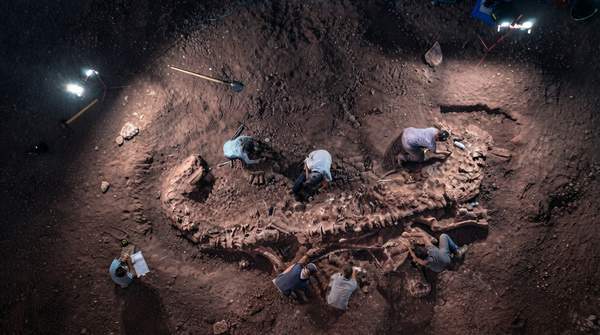
Did life always rely on oxygen? Evidence suggests that anaerobic energy metabolism was present in the eukaryote common ancestor, according to biochemistry and evolution of anaerobic energy metabolism This finding fundamentally reshapes our understanding of complex life's origins. It suggests that oxygen-independent pathways are not primitive relics; instead, they appear to be foundational, robust systems. Even with this ancient inheritance, habitats lacking oxygen continue to drive the development of semi- or full anaerobe metabolism. The specific expression of anaerobic traits remains a dynamic, ongoing evolutionary response to environmental pressures, not just a historical artifact.
Why Extremophiles Matter for Our Future
So what does this mean for you, and for our future? Studying extremophiles, which thrive in harsh, oxygen-free conditions, can unlock secrets of their unique enzymes, proteins, and molecular mechanisms, according to the extremophiles: adaptation mechanisms - pmc - nih. This knowledge could lead to groundbreaking biotechnological and sustainable processes. For example, companies investing in synthetic biology for space exploration or deep-sea applications should prioritize research into these ancient, robust anaerobic mechanisms. Trying to force aerobic solutions into inherently anoxic environments might prove far less effective than leveraging life's proven ability to thrive without oxygen.
Frequently Asked Questions About Anaerobic Life
What are anaerobic organisms?
These are organisms that do not require oxygen for growth and can even be harmed by it. Some, called obligate anaerobes, cannot tolerate oxygen at all, while others, like facultative anaerobes, can switch between oxygen-dependent and oxygen-independent metabolism. Their diverse strategies for thriving without air are highlighted by this spectrum of capabilities.
How do organisms survive without oxygen?
Organisms survive without oxygen by employing various anaerobic metabolic pathways, such as fermentation or anaerobic respiration, which use electron acceptors other than oxygen. For instance, some bacteria can use nitrate or sulfate to generate energy, allowing them to thrive in environments like deep soils or stagnant water. While these alternative processes are often less efficient than aerobic respiration, they are remarkably effective at sustaining life.
Examples of life in oxygen-deprived environments?
Many microorganisms flourish in anoxic environments. For example, methanogens, a type of archaea, produce methane in wetlands and the guts of animals, using carbon dioxide as an electron acceptor. Certain bacteria also thrive in deep-sea hydrothermal vents, relying on chemical energy rather than oxygen. The vast array of life forms that have mastered oxygen-free existence is underscored by these examples.
By 2026, companies like SpaceX, developing technologies for off-world colonization, will likely find significant advantages in prioritizing oxygen-independent biological solutions, moving beyond traditional, oxygen-centric views of life.