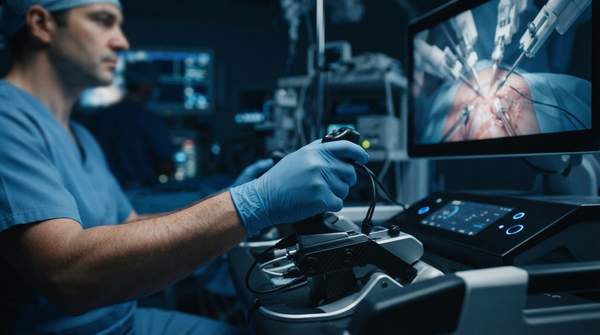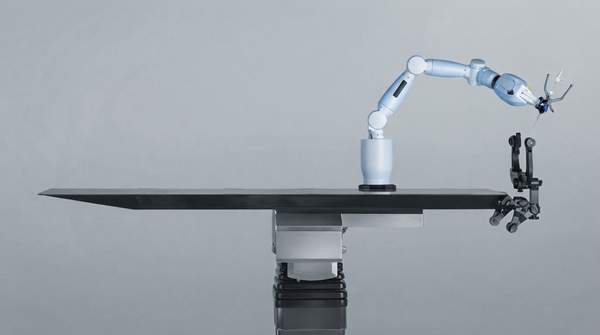
When people say "medical robot," they usually picture a surgical arm hovering over an operating table. But that is only one of three distinct roles robots now fill in healthcare. The others support diagnosis and targeted radiation therapy, and help patients recover lost movement. Knowing which job a robot performs — and what it asks of a hospital in return — is the key to making sense of this fast-moving field.
Introduction to Medical Robotics: Transforming Healthcare
The through-line across all three applications is machine precision applied to human vulnerability. Robot manufacturer KUKA, which has built systems for the medical field for 25 years, describes robots supporting care "from diagnosis to surgery," spanning surgical procedures, diagnosis support, patient positioning, radiation therapy, imaging, rehabilitation therapy and wellness applications. What changes between these settings is the primary function: cutting and suturing with millimeter control, holding a patient still so radiation lands exactly where it should, or retraining a body to move again.