
Climate Change
17 articles
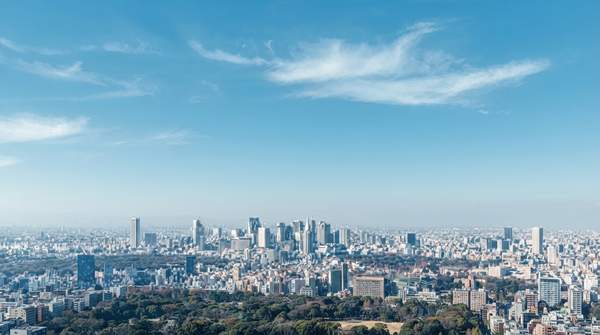
Less Dust, Cleaner Air: How Falling Aerosols Are Unmasking the Full Force of Global Warming
Falling levels of natural desert dust and industrial aerosols are reducing the masking effect on global warming, revealing the full impact of greenhouse gas emissions. As the atmosphere clears, the planet is heating up faster than previously apparent.
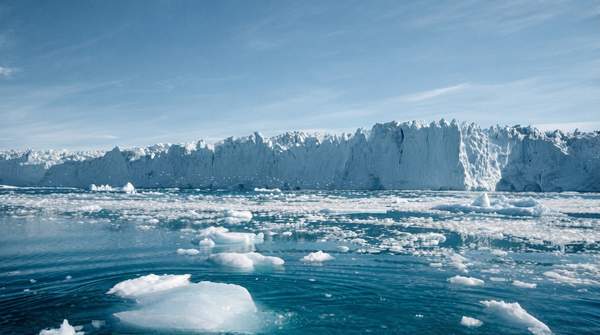
Ice Sheets, Sea Ice, Permafrost: Why the Cryosphere's Three Main Players Warm the Planet in Different Ways
Earth's cryosphere comprises three key components: ice sheets/glaciers, sea ice, and permafrost, each impacting global climate differently. Ice sheets and glaciers raise sea levels, sea ice regulates ocean temperature and reflectivity, and permafrost stores vast amounts of carbon.

Arctic glacier melt accelerates, driving sea level rise
Between 2000 and 2019, the annual rate of glacier thinning nearly doubled from 36cm to 69cm.

Climate Change Amplifies Microplastic Threats. Most Aren't Ready.
Scientists estimate adults ingest the equivalent of one credit card per week in microplastics, a stark reminder of their pervasive presence throughout our bodies and environment.

Nepal's Glacial Lake Outburst Flood Risk Surges Amidst Climate Change
Water levels in rivers downstream of a recent glacial collapse in Nepal surged by seven to nine meters within just 30 minutes.

El Niño's Intensity Surges: What 40 Years of Data Reveal About Climate Futures
Air and sea surface temperatures are already breaking records globally, signaling that the current El Niño event in 2026 is on track to be the strongest in recorded history ( The New York Times ).

New Sand Dunes Map Reveals Earth's Climate Secrets
For decades, scientists believed Earth's vast desert dunes were largely static.

Human impact on Earth's sixth mass extinction accelerating.
More than 48,600 species face extinction, a number that keeps climbing, according to Tandfonline .

Top Public Health Trends for 2026: AI and Climate Resilience
Europe tragically lost 200,000 people to heat over the past four years, a stark reminder of our planet's changing climate.

Why a Warming Ocean Means Higher Seas: Expansion and Ice Melt Explained
The ocean absorbs excess heat, causing sea levels to rise through thermal expansion and accelerated melting of land ice. While thermal expansion was the main driver historically, ice melt now dominates the accelerating pace of global sea level rise.

Climate Reversal vs. Climate Change: Misinterpreting Science
Scientists have recently refined their climate models, adjusting the probabilities of the most catastrophic warming outcomes.

The Hunt for Super Reefs Offers Hope for Coral Conservation
Corals in the Gulf of Aqaba have already demonstrated an extraordinary tolerance to temperatures exceeding 30°C, offering a glimpse into the future of reef survival, according to Unesco .

El Niño surge amplifies climate change impact on global river floods
NOAA calculations point to a 'very strong' El Niño this year.

Ice Age Sea Level Drops Boosted Seafloor Volcano Activity, Study Finds
Sediment records from the eastern equatorial Pacific reveal that ancient ice ages, by dropping sea levels, supercharged deep-sea volcanoes.

Satellite Maps Reveal Sinking Coasts Accelerate Coastal Flooding
In Jakarta, parts of the city are sinking by as much as 25 centimeters per year, according to the National Research and Innovation Agency, Indonesia.

Mantle plumes trigger mass extinctions by altering Earth's climate
252 million years ago, a series of eruptions in Siberia, not an asteroid, unleashed enough greenhouse gases to wipe out over 90% of marine species.

Global cooperation on climate change solutions lags
On July 23, 2025, the International Court of Justice issued an Advisory Opinion affirming that states have binding legal obligations and may face legal consequences for climate harm, a development cru