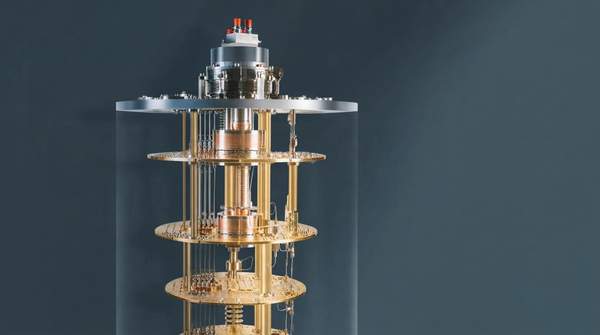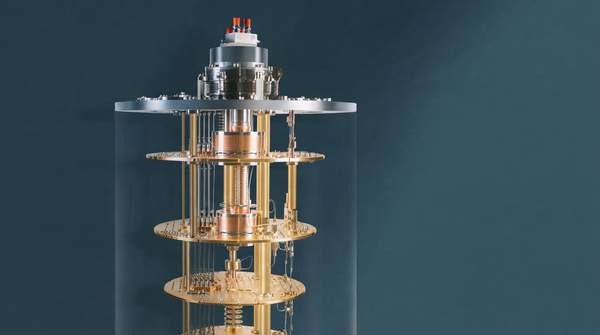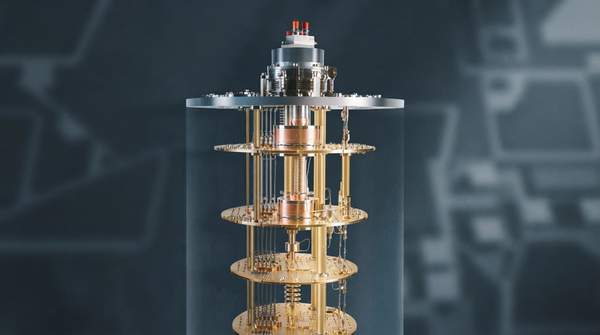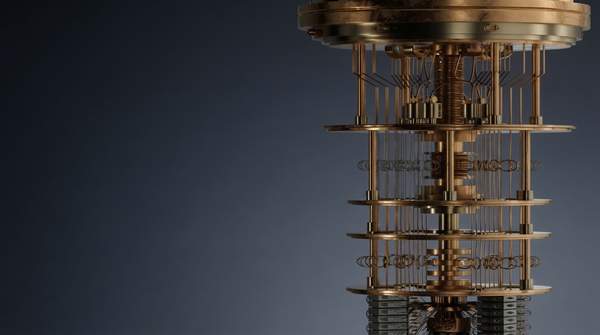
Quantum computing holds the promise of tackling problems that are currently intractable for even the most powerful classical supercomputers. This potential stems from qubits, the fundamental building blocks of quantum information. Unlike classical bits, which are limited to a state of either 0 or 1, qubits can exist in a superposition of both states simultaneously, and can also be entangled with one another. These unique quantum phenomena allow for an exponential increase in computational power, but their practical realization demands overcoming significant engineering hurdles.
The development of stable and scalable qubits is central to advancing quantum computing. Researchers are exploring various physical systems, each offering distinct operational principles, performance characteristics, and inherent trade-offs. This article delves into three prominent qubit platforms—superconducting qubits, trapped-ion qubits, and neutral atom qubits—to compare their fundamental mechanisms, key performance metrics, and the engineering challenges that define their current development status.