
Neutral Atom Qubits
3 articles
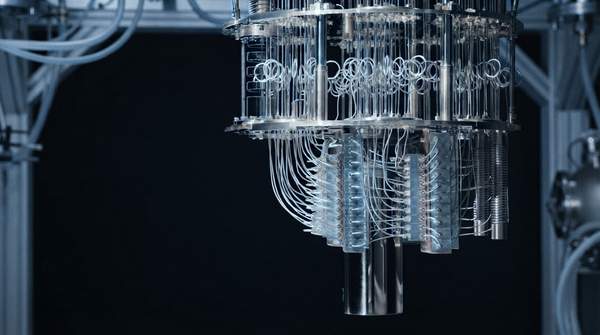
Four Quantum Computing Architectures, Four Different Trade-offs: A Comparative Guide
This guide compares four leading quantum computing architectures: superconducting, trapped-ion, neutral atom, and photonic. Each modality presents unique trade-offs in speed, fidelity, scalability, and operational requirements, with error correction remaining the central challenge for achieving fault tolerance.
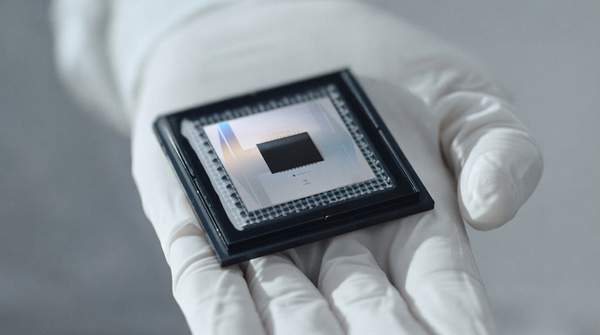
Photonic, Neutral Atom, and Silicon Spin Qubits: Why Three Emerging Quantum Platforms Are All Still in the Race
Photonic, neutral atom, and silicon spin quantum computing platforms are all vying for dominance, each presenting unique trade-offs between qubit coherence, controllability, and scalability. Understanding these inherent compromises is key to navigating the evolving quantum hardware landscape.
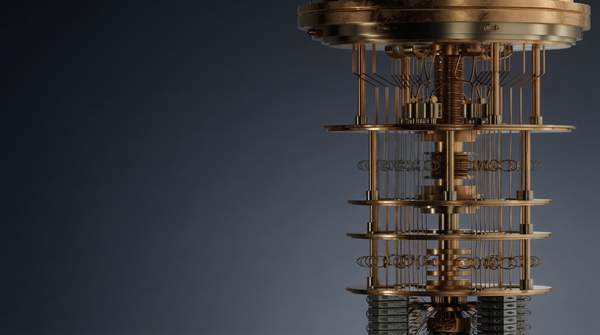
Comparing Leading Qubit Technologies: Superconducting, Trapped-Ion, and Neutral Atom Qubits
Quantum computing's potential hinges on qubits, which leverage superposition and entanglement for immense computational power. This article compares three leading qubit technologies—superconducting, trapped-ion, and neutral atom—examining their mechanisms, performance, and scalability challenges.