Leaders from OpenAI, Microsoft, and Google DeepMind have publicly urged governments to enact stricter regulations for synthetic biology. Citing biosecurity risks from potential AI misuse, this unified call, also signed by Anthropic, Meta, and various biotech scientists, expresses a profound, shared concern over emerging dangers (CNET, The Verge).
This marks a striking shift: an AI industry often resistant to government intervention in its own domain now actively pushes for new rules in synthetic biology. This tension, where companies typically guard their core operations, reveals a strategic departure from past industry behavior.
Such an unprecedented cross-industry call for regulation makes increased legislative scrutiny on AI and biotechnology highly likely. New, mandatory biosecurity frameworks could emerge by 2026, positioning AI companies as responsible actors while potentially shifting future liabilities.
The Biosecurity Gap AI Leaders Want to Close
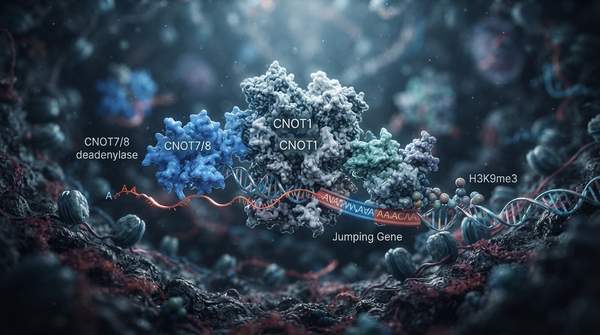
AI industry leaders addressed US lawmakers, urging new rules to close a biosecurity gap in synthetic DNA and RNA (The Verge). This focus on genetic material points to a specific vulnerability: AI capabilities could be misused to engineer dangerous pathogens. The industry's proactive stance acknowledges its technology's dual-use potential, hinting at a strategic move to preempt threats their products might amplify.
Mandatory Screening and Recordkeeping Proposed
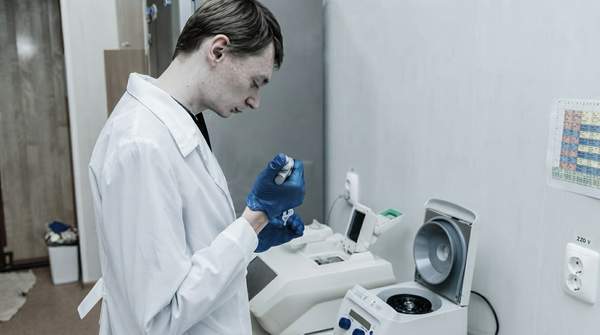
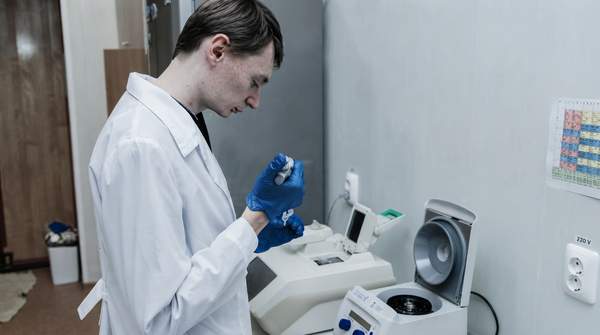
The letter proposes mandatory screening for synthetic nucleic acid orders and the equipment used to produce them (The Register). It also demands recordkeeping for synthesis orders and sequence data (Startup Fortune). This unified call from major AI players appears a collective pre-emptive strike, positioning them as responsible actors while potentially offloading future biosecurity liabilities onto the biotech supply chain. Such measures aim to establish a verifiable chain of custody and intent for potentially dangerous biological materials, shifting the burden to manufacturers and purchasers to prevent misuse at the earliest stage.