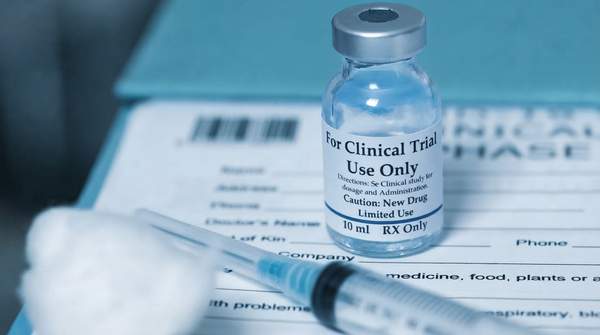
A potential first-in-class treatment for Haemolytic Uraemic Syndrome (HUS), a severe and often life-threatening kidney disorder primarily affecting children, has entered its final phase of clinical research. Argentine biotech company Inmunova announced its Phase 3 study for the investigational drug INM004 is now enrolling patients. The trial will assess the efficacy and safety of the drug, which is designed to be the first specific medication to neutralize the Shiga toxin that causes the disease, potentially preventing irreversible organ damage in a condition that currently has no targeted treatment.
The Challenge of Haemolytic Uraemic Syndrome
Haemolytic Uraemic Syndrome is a serious illness most commonly triggered by an infection from Shiga toxin-producing Escherichia coli (STEC) bacteria. The toxin attacks and damages small blood vessels, leading to acute kidney failure, anemia, and a low platelet count. While the disease can affect anyone, it is particularly dangerous for young children. According to information published by Inmunova, which cites the World Health Organization, Argentina has the highest global incidence of HUS in children under five years of age.
The long-term consequences of HUS can be devastating. Inmunova reports that the disease leaves 50% of affected children with lifelong health issues, such as chronic kidney failure, high blood pressure, and neurological disorders. A significant challenge in managing the illness is that patients often already have organ damage by the time they seek medical care, making a rapid and effective intervention crucial. Despite the severity of HUS, there is currently no approved specific therapy, and previous strategies using monoclonal antibodies have not yet demonstrated conclusive effectiveness in clinical trials, as noted in a 2024 research article.
INM004's Mechanism of Action in HUS
The investigational drug INM004 is a biological therapy designed to intervene early and halt the progression of HUS by targeting the Shiga toxin directly. The proposed mechanism of action, described in a study published in Pediatric Nephrology, focuses on neutralizing the toxin before it can cause widespread damage. The therapeutic process is designed to unfold in a specific sequence:
- Infection and Toxin Release: The process begins when a person is infected with STEC bacteria. These bacteria produce and release Shiga toxin into the digestive system, which then enters the bloodstream. One plausible scientific explanation for how the toxin is released from the bacteria involves a process called phage-mediated lysis, where viruses that infect the bacteria cause them to rupture.
- Toxin Circulates and Targets Organs: Once in the bloodstream, the free-floating Shiga toxin travels throughout the body. It binds to specific receptors on the surface of cells, particularly those lining the small blood vessels in the kidneys, brain, and other vital organs, initiating the cell damage that defines HUS.
- INM004 Intervention: INM004 is a passive immunotherapy containing polyclonal antibodies. When administered, these antibodies are intended to find and bind to the Shiga toxin circulating in the bloodstream. This approach is designed to physically block the toxin from attaching to its cellular receptors.
- Prevention of Organ Damage: By neutralizing the toxin, INM004 aims to prevent the cascade of organ damage from ever starting or progressing. The ultimate goal is to stop the development of severe HUS, thereby avoiding acute kidney failure and other serious complications.