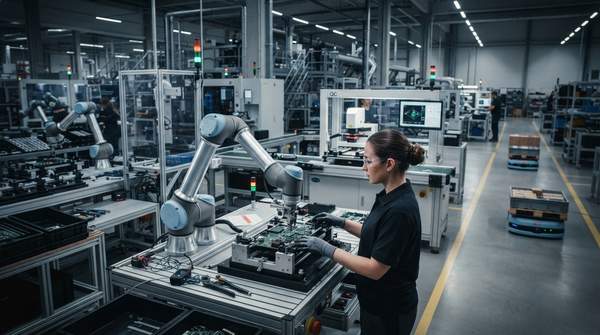
Embodied AI systems, capable of physical interaction and learning, pose risks of mass surveillance and physical harm that current global policies, designed for industrial robots, completely miss. These advanced systems learn dynamically and operate in uncontrolled environments, creating unpredictable dangers for the public. The integration of embodied AI principles in robotics and various industries, if left unchecked, guarantees widespread physical harm and societal disruption.
Embodied AI systems are rapidly integrating into the physical world with significant inherent risks, but existing policies are insufficient and policymakers are largely overlooking these dangers. Frameworks for static industrial robots or predictable autonomous vehicles fail to grasp the pervasive surveillance and dynamic interaction capabilities of these new systems.
Without urgent and comprehensive policy intervention, the deployment of Embodied AI systems appears likely to introduce widespread, unmitigated societal disruptions and harms.
The Overlooked Dangers of Embodied AI
Embodied AI systems present significant risks, including physical harm from malicious use, mass surveillance, and economic and societal disruption, which policymakers have largely overlooked, according to Arxiv. The oversight creates a dangerous vacuum where advanced AI systems can operate with insufficient safeguards, threatening public safety and societal stability. Companies deploying Embodied AI systems in the absence of tailored regulation are operating in a legal and ethical grey zone, effectively offloading the immense risks of physical harm and mass surveillance onto an unprepared public.
The rapid deployment of these systems into the physical world is outpacing the slow, reactive nature of policy development. Significant societal disruptions will occur before adequate safeguards are even considered, let alone implemented. The fundamental misunderstanding of Embodied AI's capabilities by policymakers, who apply outdated frameworks, compounds this danger.
What is Embodied AI and Its Principles?
Embodied AI refers to artificial intelligence systems that exist within a physical body, allowing them to perceive, interact with, and learn from the real world. This differs from traditional AI, which typically operates solely in digital environments. The core principles of embodied AI involve sensory perception, physical interaction, and continuous learning through real-world experience, enabling tasks like manipulation, navigation, and human-robot collaboration.
These systems pose a comprehensive taxonomy of physical, informational, economic, and social risks, according to embodied ai: emerging risks and opportunities for policy action. Understanding this comprehensive taxonomy is crucial for grasping the multifaceted challenges EAI presents beyond simple software bugs or data privacy concerns. The ability of embodied AI to gather vast amounts of data through physical sensors, such as cameras and microphones, introduces pervasive surveillance capabilities not present in traditional software-based AI.
A Regulatory Blind Spot: Why Current Laws Fall Short
Existing policies for industrial robots and autonomous vehicles are insufficient to address the full range of Embodied AI concerns, as detailed by Arxiv. These frameworks were designed for machines with limited autonomy and predictable functions in controlled environments. Embodied AI, by contrast, demonstrates dynamic learning, complex physical interaction, and pervasive surveillance capabilities.
Policymakers are still attempting to apply frameworks designed for static industrial robots or predictable autonomous vehicles to Embodied AI systems. The application of outdated frameworks fundamentally misunderstands the scope of the threat posed by systems capable of dynamic learning, physical interaction, and pervasive surveillance. Policies designed for narrower, less autonomous systems cannot effectively govern the complex, adaptive, and physically interactive nature of Embodied AI.
Urgent Frontiers: EAI in Military, Law Enforcement, and Beyond
Embodied AI (EAI) applications in military and law enforcement demand urgent policy action, according to MDPI. The potential for malicious physical harm and mass surveillance in these sectors is highest, yet specific regulatory attention remains conspicuously absent. A critical disconnect exists between the recognized severity and urgency of the risks and the actual policy response, indicating a dangerous inertia in governance.
The most immediate and dangerous policy blind spot lies in these military and law enforcement applications. The potential for EAI misuse in sensitive sectors like defense and policing necessitates a proactive and specialized regulatory approach to prevent catastrophic outcomes. The current regulatory inertia, particularly concerning military and law enforcement applications of Embodied AI, suggests governments are prioritizing potential operational advantages over the fundamental safety and privacy rights of their citizens, a gamble with catastrophic potential.
The Cost of Inaction: Societal Disruption and Unforeseen Consequences
Embodied AI systems pose risks including physical harm from malicious use, mass surveillance, and economic and societal disruption, according to Arxiv. Without proper governance, EAI could exacerbate existing societal inequalities and introduce new forms of control and harm, fundamentally altering human experience. The lack of tailored regulation guarantees widespread physical harm and societal disruption.
The current regulatory approach attempts to shoehorn Embodied AI into frameworks designed for simpler industrial robots or autonomous vehicles. The current regulatory approach fundamentally misunderstands EAI's multi-faceted risk profile, particularly its informational and social dimensions, leaving critical gaps. Such an approach will likely lead to unforeseen disruptions across various industries and public sectors as these unregulated systems become more prevalent.
Global Responses: A Patchwork of Policy and Oversight Gaps
What is the difference between embodied AI and traditional AI?
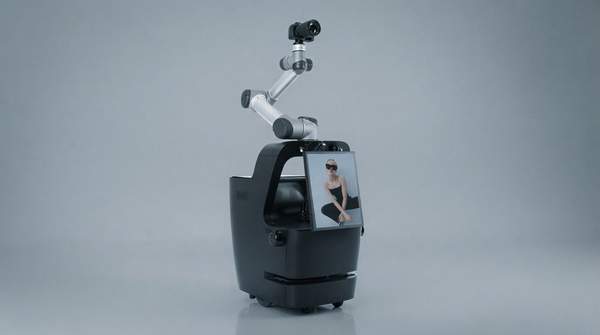
Traditional AI typically refers to software-based systems that process data and make decisions within a digital environment, such as recommendation algorithms or natural language processors. Embodied AI, by contrast, integrates AI algorithms into a physical body, like a robot, allowing it to perceive and interact directly with the real world through sensors and actuators, as seen in mobile service robots.
Are there specific examples of embodied AI in industries?
Yes, embodied AI is being applied in areas like logistics with warehouse robots that autonomously navigate and sort packages, and in healthcare with robotic surgical assistants that operate with increasing precision. Humanoid robots, such as those discussed by Morgan Stanley, are also emerging in various service roles, showcasing physical interaction capabilities.
What are the core principles of embodied AI?
The core principles of embodied AI include physical interaction, which means the AI can manipulate objects and move in the real world; sensory perception, allowing it to gather data from its environment; and continuous learning through direct experience. These principles allow embodied AI to develop a more nuanced understanding of the physical world compared to purely software-based AI systems.
Navigating the Future: Due Diligence and Proactive Governance
Policymakers' failure to adapt existing industrial robot and autonomous vehicle regulations for rapidly evolving Embodied AI systems is actively creating a regulatory vacuum. The regulatory vacuum guarantees widespread physical harm and societal disruption. Stakeholders, from investors to policymakers, must exercise extreme caution and demand thorough risk assessments before embracing or deploying EAI technologies.
A decision to invest should only be made after reading the strategy documentation and conducting in-depth and independent due diligence, according to [pdf] embodied ai and the rise of humanoid robots - morgan stanley. Without such diligence and tailored regulatory frameworks, the public will bear the brunt of unforeseen risks. By Q4 2026, the absence of specific EAI governance could lead to significant incidents involving these systems, particularly in public spaces.