
Plate Tectonics
3 articles
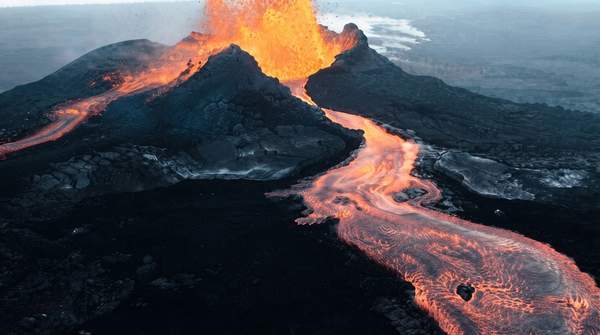
Three Ways Plates Meet: How Convergent, Divergent, and Transform Boundaries Shape the Earth
Earth's crust is shaped by three types of tectonic plate boundaries: divergent, where plates pull apart and create new crust; convergent, where plates collide and destroy crust or build mountains; and transform, where plates slide past each other, causing earthquakes. Understanding these interactions is key to deciphering geological features like mid-ocean ridges, trenches, volcanoes, and fault lines.
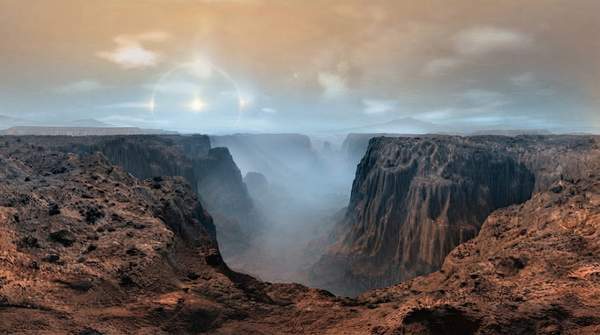
Three Ways to Build a World: Why Mars Rips, Venus Blisters, and Icy Moons Flex
Earth's unique plate tectonics are contrasted with the geological activity of Mars, Venus, and icy moons, driven by differences in internal heat and lithospheric structure. Understanding these comparative tectonic systems reveals diverse planetary evolution across our solar system.

From Mantle Heat to Mountains: How Plate Tectonics Shapes Continents, Oceans, and Volcanoes
Plate tectonics, driven by Earth's internal heat and mantle convection, is the fundamental process shaping continents, oceans, mountains, and volcanic activity. The interaction of tectonic plates at divergent, convergent, and transform boundaries creates diverse geological features and drives long-term changes in climate and ecosystems.