
Exoplanet Atmospheres
4 articles
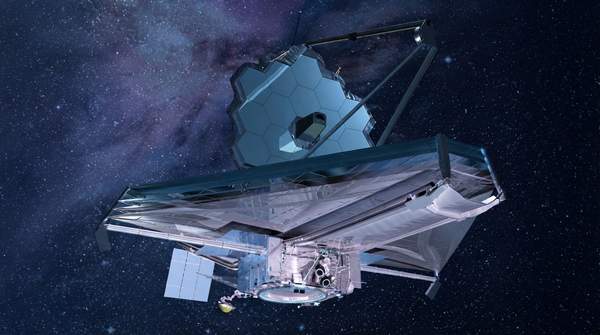
Why the James Webb Space Telescope Sees the Universe in Infrared Light
The James Webb Space Telescope (JWST) observes the universe primarily in infrared light to address key scientific questions. This allows it to detect redshifted light from the earliest galaxies, peer through dust clouds obscuring star formation, and analyze the chemical signatures in exoplanet atmospheres.
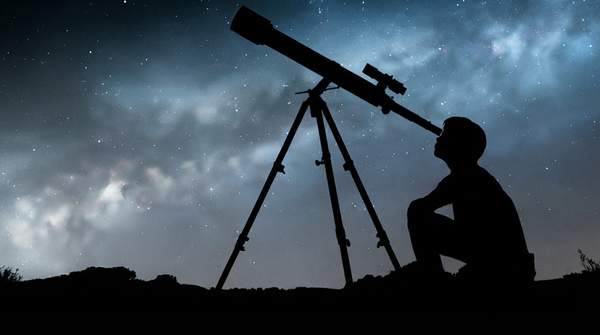
How Scientists Read the Air of Distant Worlds: A Guide to Exoplanet Spectroscopy
Scientists analyze exoplanet atmospheres by studying how starlight filters through them during a transit, using spectroscopy to identify molecules based on specific absorption patterns. This technique allows astronomers to detect gases like water vapor and methane light-years away, revealing the composition of distant worlds.
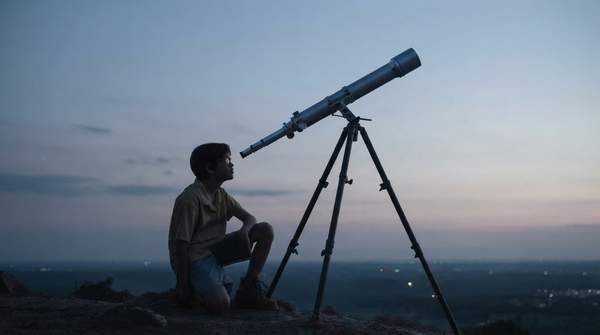
How Exoplanets Lose Their Atmospheres: Thermal Boil-Off, Stellar Wind Erosion, and the Habitability Question
Exoplanets lose their atmospheres through thermal escape driven by heat and non-thermal escape caused by stellar wind, processes crucial for determining long-term habitability. Understanding these mechanisms is vital, as they dictate whether a planet can retain the stable atmosphere needed for liquid water and life.
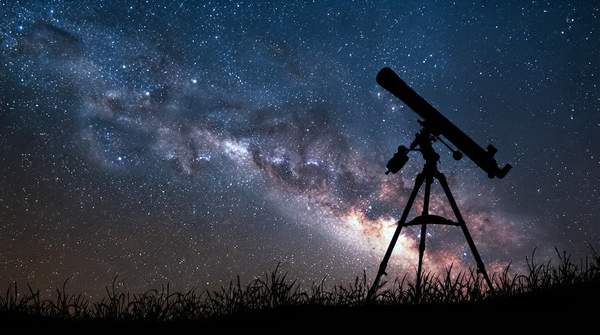
Why Finding Alien Life Requires Telescopes on Earth and in Space
Detecting alien life hinges on analyzing exoplanet atmospheres using spectroscopy, a task requiring a complementary approach from both space-based telescopes like JWST and powerful ground-based ELTs. While JWST excels at identifying molecules like CO2 and water, ELTs are crucial for the high-resolution search for oxygen, a key biosignature.