In Croatia, 90% of Acinetobacter baumannii strains were resistant to multiple antibiotics, according to 2018 data, signaling a global collapse in treatment efficacy for this deadly superbug. Once-reliable medications fail, leaving patients vulnerable and common infections untreatable.
Antibiotic resistance is a known and growing threat, but specific superbugs like Acinetobacter baumannii are evolving faster than our ability to contain them. Rapid evolution makes once-treatable infections deadly, posing a serious challenge for public health.
Without urgent, coordinated global action on antibiotic development and stewardship, a future where common infections become untreatable is not just possible, but increasingly probable.
While antimicrobial-resistant infections caused an estimated 1.27 million deaths, according to 2019 data, A. baumannii specifically contributed to approximately 7,300 infection cases and 500 fatalities annually, according to PMC. A. baumannii is exceptionally lethal once contracted. With mortality rates ranging from 30% to 75% across regions, this superbug poses a severe public health threat.
The Unstoppable Rise of Resistance
Our fight against infections hinges on effective antibiotics. Yet, for A. baumannii, we face a consistent and alarming surge in resistance. The data reveals a grim trend:
| Antibiotic Class | Resistance Rate (%) | Impact |
|---|---|---|
| Imipenem (Carbapenem) | 71.5% | Limits a critical last-resort treatment option. |
| Meropenem (Carbapenem) | 72.3% | Renders another vital antibiotic largely ineffective. |
| Fluoroquinolones | 50-73% | Reduces options for broad-spectrum infections. |
These figures are based on data from frontiersin and PMC. These consistently high resistance percentages across multiple drug classes confirm A. baumannii's status as a formidable multidrug-resistant pathogen, severely limiting effective treatment options.
Genetic Turning Points Fueling a Superbug
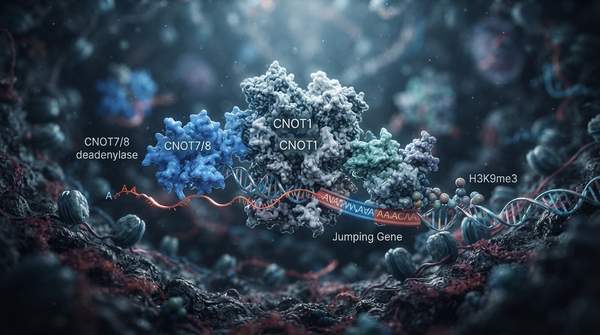
How did this bacterium become such a formidable opponent? For A. baumannii, the acquisition of specific genetic elements, like the oxa23 gene, according to data from around 2005, was a critical turning point, according to Southernminn. The genetic boost 'supercharged' its resistance, allowing it to rapidly overcome many antibiotics. By that same year, this lineage became globally dominant, according to data from 2005. Rapid, genetically-driven emergence means traditional antibiotic development cycles are fundamentally outpaced, making new drug discovery a losing race against microbial evolution.
A Global Threat with Regional Hotspots
This superbug is not confined to one region. By 2018, resistance rates to multiple antibiotics surged above 50% in various European countries, 90% in Croatia, 80% in Greece, 75% in Italy, and 60% in Poland, according to 2018 data from PMC. Contracting an A. baumannii infection in these areas severely limits treatment options.
The impact is global. Mortality from A. baumannii-related hospital-acquired and ventilator-associated pneumonia reached 56.2% in Western Asia, 55.7% in Southern Europe, and 53.3% in Northern Africa, according to PMC. The figures show that location can drastically alter survival chances. The 90% resistance rate in Croatia, according to 2018 data, serves as a stark warning: localized outbreaks can quickly render entire antibiotic arsenals useless, demanding urgent, coordinated global surveillance and rapid response to prevent total treatment collapse.
What Comes Next for Superbug Control?
We face a stark reality for A. baumannii, demanding a shift in strategy:
Traditional antibiotic development cycles are fundamentally outpaced. The oxa23 gene acquisition, 'supercharged' A. baumannii's resistance, making that lineage globally dominant by the same year, according to data from 2005 from southernminn.com. Our current methods for creating new antibiotics are simply too slow, losing the race against a superbug that gains powerful new defenses almost overnight. We must rethink drug development, focusing on faster, more adaptable solutions.
Healthcare systems are already operating in a post-antibiotic reality for A. baumannii. With over 70% resistance to critical antibiotics like imipenem and meropenem, and mortality rates up to 75%, according to frontiersin and PMC, relying solely on new drugs is insufficient. Hospitals already face a future where common antibiotics fail. We need stronger infection control, better hygiene, and innovative non-pharmacological treatments.
Localized outbreaks can quickly render entire antibiotic arsenals useless. The 90% resistance in Croatia, according to 2018 data, alongside high mortality rates in regions like Western Asia and Southern Europe, according to PMC, shows how rapidly a local problem becomes a global crisis. International cooperation is vital to track superbugs, share data, and respond swiftly to outbreaks. Without this teamwork, we risk losing our ability to treat infections entirely.
If current trends persist, pharmaceutical companies will likely need to significantly accelerate their research into novel antimicrobial therapies by Q3 2026, as the pace of superbug evolution, exemplified by A. baumannii's 'supercharged' resistance from genetic acquisitions like oxa23, according to data from around 2005, appears to fundamentally outmatch current development cycles.