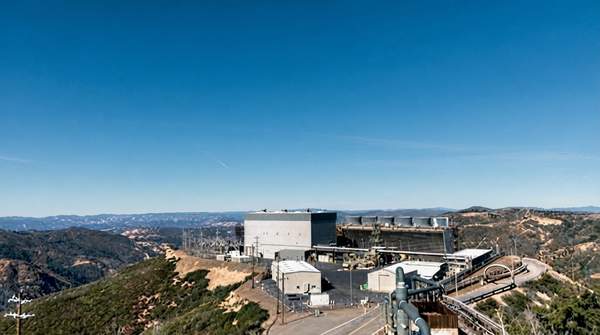
Converting an abandoned oil or gas well into a geothermal energy source is technically feasible, but the well's temperature decides almost everything. Most depleted wells are better suited to direct-use heating—warming buildings, greenhouses, or schools—than to electricity generation, which generally requires hotter conditions and specialized equipment such as Organic Rankine Cycle (ORC) power plants. The core engineering idea is elegant: turn the existing borehole into a closed-loop heat exchanger, circulating fluid through it to absorb the earth's warmth without ever touching the rock formation itself.
Leveraging Existing Infrastructure: The Promise of Geothermal Well Conversion
The United States holds millions of oil and gas wells, and the U.S. Department of Energy has identified them as a potential key to unlocking geothermal energy through two routes: retrofitting inactive or unproductive wells, or co-producing heat alongside still-active wells. In a retrofit, an unused well first undergoes repairs needed for safe operation; water is then pumped in, warmed by the earth, and drawn back to the surface to generate power.
The appeal is both economic and environmental. A review by Penn State researchers notes that repurposing depleted wells can recover low-grade geothermal energy while producing a revenue stream, staunching fugitive emissions, and avoiding the major upfront costs of drilling new wells—costs that remain a principal obstacle to conventional geothermal development. Regions with extensive hydrocarbon exploration, the same review points out, are often close to energy markets and sit atop significant geothermal gradients, meaning the heat and the customers may already be neighbors.