
Ocean Acidification
3 articles
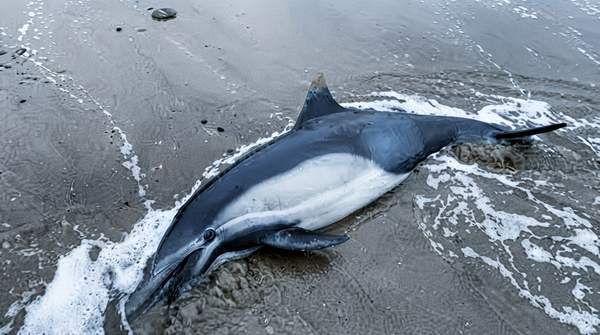
Why Rising CO2 Dissolves the Ocean's Building Blocks: How Acidification Harms Corals, Pteropods, and Shellfish
Rising atmospheric CO2 absorbed by oceans increases acidity, reducing carbonate ions essential for marine life. This acidification hinders shell and skeleton formation and can dissolve existing structures in corals, pteropods, and shellfish, with cascading effects on food webs and human economies.
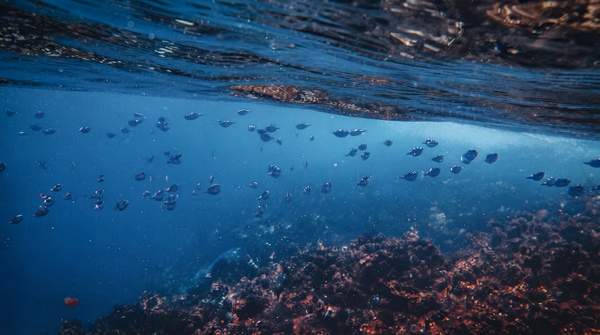
Why Ocean Acidification Steals the Building Blocks of Shells and Skeletons
Ocean acidification is a chemical process where absorbed CO2 depletes carbonate ions, the essential building blocks for marine shells and skeletons. This chemical shift threatens marine ecosystems and has significant socio-economic impacts.
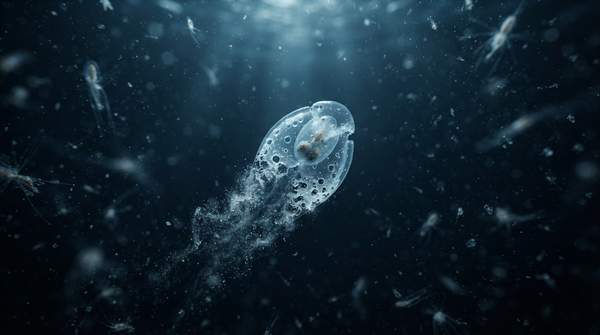
How Ocean Acidification Harms Marine Life: Chemical Processes and Ecological Consequences
Ocean acidification, driven by atmospheric CO2 absorption, alters seawater chemistry by lowering pH and reducing carbonate ions. This harms marine life, from shell-forming organisms to fish, and disrupts entire food webs and ecosystem resilience.