
Machine Learning
7 articles
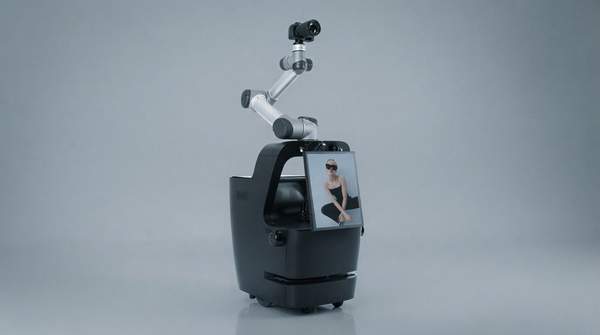
How Robots Predict the Future: World Models, VLAs, and the Loop That Lets Machines Think Ahead
Robots predict the future using two AI approaches: World Models, which simulate environmental changes, and Vision-Language-Action (VLA) models, which translate instructions into actions. Understanding these distinct yet complementary models is key to advancing predictive robotics.
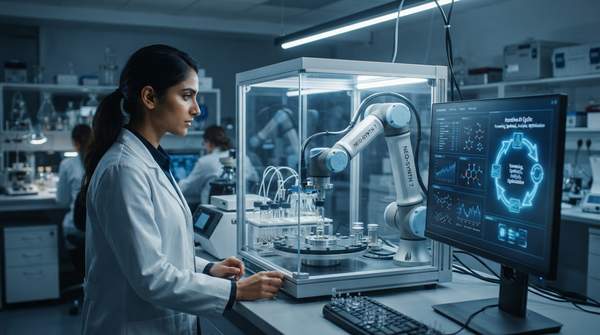
How AI Turns Materials Discovery from a Decade-Long Grind into a Rapid, Iterative Cycle
Artificial intelligence is revolutionizing materials discovery by replacing slow, manual research with an automated, iterative loop. This AI-driven pipeline uses machine learning for screening, robots for synthesis, and feedback for refinement, drastically accelerating the process.

How Scientists Determine if an Exoplanet Could Support Life
Scientists assess exoplanet habitability by examining the host star, the planet's orbit within the habitable zone, and its physical characteristics like size, mass, and density. This multi-step process, increasingly aided by machine learning, helps prioritize promising candidates for further study in the search for life beyond Earth.

AI System SA-FARI Reveals Individual Animal Lives From Footage
An international team, including researchers from the University of Bristol , has developed an AI system called SA-FARI.

Embodied AI: The Intelligence That Learns by Touching the World
Embodied AI learns by physically interacting with its environment, distinguishing it from traditional AI that processes only digital data. This paradigm emphasizes a continuous loop of perception, action, and learning grounded in real-world experiences, aiming for more autonomous and adaptive systems.

OpenAI's High Operational Costs Reshape AI Market
Generating 1 million tokens of audio output from OpenAI's GPT-Realtime-2 now costs $32.

AI Powers Advances in Cancer Drug Discovery and Early Detection
Artificial intelligence is revolutionizing cancer research by accelerating drug discovery and enhancing early detection. Its advanced capabilities promise more precise, personalized treatments and improved diagnostic accuracy for better patient outcomes.