The simple act of making a cup of tea, once effortless, can become a daunting challenge for an aging loved one. A tremor in the hand, the difficulty of reaching a cabinet, or the fear of a fall can chip away at the small daily routines that define a person's autonomy.
For many families, this slow loss of ability raises a difficult question: Is it possible for an elderly loved one to regain lost independence without leaving the comfort of home? More and more families across Miami are finding the answer in specialized, in-home care.
This is the exact need that providers like ALC Home Health are built to address, focusing on critical in-home rehabilitative support.
What Does In-Home Rehabilitative Care Do for Seniors?
Unlike facility care that requires moving into an institutional setting, in-home therapy takes a holistic look at a person’s real environment. The goal is to help people participate in the things they want and need to do by using everyday activities as a form of treatment.
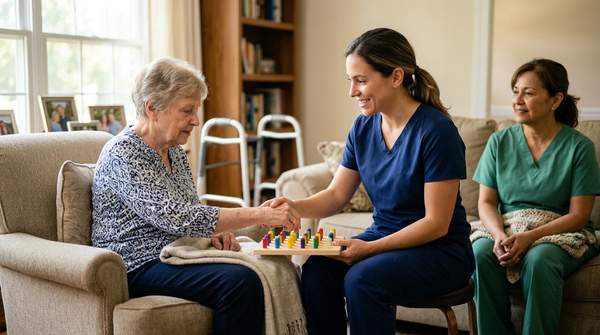
For seniors at home, this work centers on helping them master Activities of Daily Living (ADLs) and Instrumental Activities of Daily Living (IADLs). An ALC Home Health care professional works one-on-one with a patient in their own environment, creating strategies and adaptations for tasks like dressing, bathing, managing routines, and moving safely around the house.
For instance, if a senior is recovering from a stroke or fall, a specialist from ALC Home Health can help develop a personalized program to prevent future falls by identifying and addressing hazards in the home. They might also introduce adaptive tools and teach new ways to get dressed or prepare a meal with limited mobility. The focus is always on practical, real-world solutions that lead directly to greater independence and a better quality of life.
Why Demand for Home Care Services Is Growing
The preference for aging in place is a powerful choice for families. A clear majority of seniors prefer receiving recovery services at home over a stay in a facility. This trend is driven by a clear desire among patients to recover in familiar surroundings, where stress levels are lower and family members can easily stay involved.
This shift creates a strong need for agencies equipped to provide comprehensive geriatric care. In the competitive Miami market, providers like ALC Home Health are stepping up to meet this demand. They offer a vital alternative to institutional care facilities, providing a level of personalized care that helps seniors stay safely at home, especially after a hospital stay.
Is Home Health Care as Effective as Staying in a Facility?
This is a common and valid concern for families figuring out care after a hospital stay. However, clinical experience and patient outcomes show significant advantages to in-home care. Receiving care at home helps lower the risk of hospital readmissions, offering a strong sign of how effective personalized care can be when patients learn to function in their own environment.
So why is in-home care so effective? It comes down to the personalized nature of the care model used by ALC Home Health:
- Environment: In a facility, patients learn skills in a simulated setting. At home, they learn to navigate their own kitchen, their own bathroom, and their own stairs, making the skills they learn immediately useful.
- Care Model: Home health care is, by its nature, one-on-one. A care professional from ALC Home Health dedicates their full attention to a single patient during a visit, allowing for a care plan that is highly customized and adaptable.
- Family Integration: In-home care allows family caregivers to be directly involved. Caregivers can learn how to safely assist their loved one, which reduces caregiver stress and improves the whole family's confidence.
How is In-Home Care Paid For? Is It Covered by Medicare?
For many families, cost is a major consideration. The good news is that home health services are often covered under major healthcare plans. Under standard guidelines, if a person is homebound, under a doctor's care, and needs skilled care, Medicare Part A and/or Part B can cover the required home health services.
Providers like ALC Home Health work with Medicare, Medicaid, and private insurance plans regularly. Their staff helps families understand eligibility rules and verify coverage, taking a major administrative burden off their shoulders so financial questions do not stand in the way of necessary care.
The Customer Journey: From Hospital Bed to Independent Living
The path to in-home care often begins with a major life event, such as a discharge from the hospital after a fall, surgery, or stroke. At this point, a hospital discharge planner refers the family to trusted local providers, or the family begins evaluating options in Miami.
Once the decision is made, services begin with an in-home evaluation to establish a tailored care plan. The goal is to help the patient perform daily tasks with renewed confidence and safety, securing their ability to continue aging in place.
Final Thoughts
Losing the ability to manage everyday tasks can be challenging for seniors and their families, but the right support can help older adults regain confidence and maintain greater independence. In-home rehabilitative care focuses on practical goals, from moving around the house more safely to managing daily routines with less assistance.
For families in Miami, ALC Home Health offers a range of home health services designed to support recovery, promote safety and help seniors maintain their quality of life in familiar surroundings. While every person's progress is different, a personalized care plan can provide a clear path toward achieving meaningful goals.
Contact ALC Home Health to discuss your loved one's needs and explore in-home care options that support safer, more independent living.