Dental technology is changing how clinicians examine teeth, review images, and explain oral health findings to patients. From digital imaging to artificial intelligence-assisted analysis, modern tools can help dentists gather information and identify areas that may require closer evaluation. For patients looking for a modern dental practice in Miami and Miami Beach, Smile4Life Dental combines general, cosmetic, and implant dentistry with Pearl-powered AI diagnostic technology.
Although technology can support the dental examination process, it does not replace a dentist's training, clinical judgment, or understanding of an individual patient's needs. The most useful approach combines appropriate diagnostic tools with a thorough examination, clear communication, and a treatment plan based on the available clinical evidence.
Understanding how AI-assisted dental diagnostics work can help patients ask better questions, make sense of their dental appointments, and feel more informed when considering treatment.
What Is AI-Assisted Dental Diagnostics?
Artificial intelligence is used in many fields to analyze patterns in large amounts of information. In dentistry, certain AI systems can assist with reviewing dental images, including X-rays, by highlighting areas that may warrant a closer look.
Dental radiographs can reveal information about structures that are not fully visible during a visual examination. Depending on the type of image and the clinical circumstances, they may help a dentist assess areas between teeth, examine bone levels, or investigate concerns that require further evaluation.
AI-assisted software can analyze these images and mark patterns associated with potential findings. This may help organize information for review and support conversations between the dentist and patient.
However, an AI-generated highlight is not the same as a confirmed diagnosis. Images have limitations, and a finding must be interpreted in context. The dentist considers the patient's symptoms, dental history, examination, image quality, and other relevant information before deciding what a result means.
Not every patient needs dental imaging at every appointment. The decision to obtain images should reflect the patient's individual circumstances, clinical needs, and appropriate professional guidance.
How Pearl Technology Fits Into the Dental Visit
Smile4Life Dental promotes Pearl-powered AI diagnostic technology as part of its approach to modern dental care. Pearl develops AI tools designed to assist dental professionals with the analysis of dental images.
Depending on the system and how it is used, AI-assisted analysis may draw attention to areas associated with potential dental findings. This can provide another point of reference for the dentist when reviewing an image and explaining why additional examination or follow-up may be appropriate.
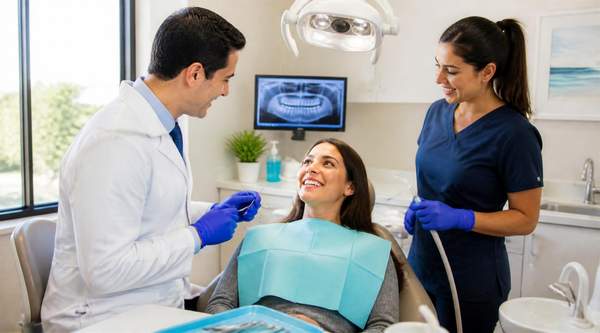
For patients, one potential benefit is a more visual discussion of dental findings. Looking at an image together can make it easier to understand which tooth is being discussed, where a concern appears, and why the dentist may recommend further assessment.
It is important, however, to understand the limits of this technology. AI tools do not independently establish every diagnosis, determine the patient's complete treatment plan, or guarantee that all dental problems will be detected. The dentist remains responsible for interpreting the information and deciding what action, if any, is appropriate.
Patients should feel comfortable asking whether a finding is confirmed, what evidence supports the recommendation, and whether further examination is needed before treatment is planned.
Can AI Help Identify Dental Problems Earlier?
Some dental conditions can develop before a patient notices obvious symptoms. A cavity, for example, may not initially cause pain, and changes affecting the gums or supporting structures may require professional assessment to identify and monitor.
Dental X-rays and other appropriate examination methods can help dentists investigate areas that are difficult to assess through visual inspection alone. AI-assisted tools may support the review of these images by drawing attention to patterns that deserve consideration.
Nevertheless, early detection depends on several factors, including the type and quality of the image, the condition being assessed, the patient's risk factors, and the dentist's interpretation. AI is not a substitute for routine examinations or a guarantee that every problem will be found before symptoms develop.
Patients should also understand that identifying a possible concern does not automatically mean that treatment is necessary immediately. The dentist must determine whether the finding represents a genuine problem, assess its significance, and explain the available options.
In some cases, monitoring may be appropriate. In others, further diagnostic work or treatment may be recommended. Asking why a particular course of action is advised can help patients understand the decision and participate more effectively in their care.
Why Professional Judgment Still Matters
Dental diagnosis involves more than reviewing an image. Two patients with similar-looking findings may have different histories, symptoms, risk factors, or treatment needs. A dentist must consider these differences when determining what a result means for each person.
For example, an area highlighted by an AI system may require closer examination before the dentist can determine whether it represents a problem. The appearance of a tooth on an X-ray must be considered alongside clinical findings and other relevant information.
The same principle applies to treatment recommendations. A software tool may assist with image analysis, but decisions about fillings, crowns, root canal treatment, or other procedures require an individualized clinical assessment.
Patients should expect their dentist to explain the reasoning behind a proposed treatment in language they understand. Useful questions include what was found, how certain the diagnosis is, what alternatives are available, and what could happen if treatment is delayed.
If a recommendation is unclear, asking for a further explanation is reasonable. For complex or uncertain situations, a dentist may recommend additional evaluation or another professional opinion.
Technology is most valuable when it strengthens the relationship between clinical expertise and informed patient decision-making rather than replacing either one.
The Connection Between Diagnostics and Preventive Dentistry
AI-assisted imaging is only one part of maintaining oral health. Daily hygiene, preventive appointments, a balanced diet, and timely attention to symptoms remain important, regardless of the technology used in a dental office.
Brushing twice daily with fluoride toothpaste and cleaning between teeth help control plaque. Professional cleanings can remove deposits that home care may not adequately address, while examinations allow the dentist to evaluate the teeth, gums, and existing dental work.
The frequency of visits should reflect individual needs. Patients with a history of gum disease, frequent cavities, or other risk factors may need a different schedule from those with a lower risk of dental problems.
Technology may contribute to the assessment process, but it cannot compensate for inconsistent oral hygiene or replace the need for follow-up care. Patients should ask their dentist which preventive measures are most relevant to their circumstances.
When a finding requires monitoring, it is also useful to understand the follow-up plan. Ask what changes the dentist will look for, whether additional images may be needed, and when the next review should occur.
Supporting Decisions About Cosmetic and Restorative Treatment
Diagnostic information can also play a role in discussions about cosmetic and restorative dentistry. Before a patient considers teeth whitening, bonding, crowns, or dental implants, the dentist must evaluate the condition of the teeth and surrounding oral structures.
For example, a patient interested in improving a discolored tooth may first need an assessment to determine the likely cause of the discoloration. A tooth that is damaged or affected by decay may require a different approach from one with surface staining.
Similarly, a patient considering an implant needs an individualized assessment of the missing tooth, the surrounding tissues, and relevant anatomical factors. AI-assisted image analysis may support the review of certain dental images, but implant planning requires a comprehensive evaluation and may involve additional diagnostic procedures.
Smile4Life Dental offers general, cosmetic, and implant dentistry, providing patients with an opportunity to discuss diagnostic findings in relation to different treatment needs. The appropriate service depends on the patient's clinical situation rather than the availability of a particular technology.
Before agreeing to a procedure, ask the dentist to explain how the diagnostic findings relate to the recommendation and whether alternative treatments are reasonable.
Choosing a Technology-Enabled Dentist in Miami and Miami Beach
Patients researching a dentist in Miami may compare practices throughout Miami Beach and nearby communities such as Surfside, Bal Harbour, Bay Harbor Islands, and North Miami Beach. A convenient location can be helpful, particularly when ongoing care or multiple appointments are required, but technology should be considered alongside the overall quality of patient care.
Look for a dental practice that explains its diagnostic process, answers questions about findings, and develops treatment recommendations based on individual needs. Patients should be able to understand why an image or examination is needed and how the information will be used.
Smile4Life Dental is located at 900 71st Street in Miami Beach, Florida. The practice highlights more than 30 years of dental experience and Pearl-powered AI diagnostic technology alongside its general, cosmetic, and implant services.
When considering a dental provider, ask how diagnostic technology is incorporated into examinations, whether imaging is recommended for a specific clinical reason, and how the dentist communicates uncertain or unexpected findings. It is also useful to ask about preventive care, treatment estimates, insurance arrangements, and follow-up appointments.
Smile4Life Dental states that it accepts most PPO insurance plans, although benefits depend on the individual policy and the service provided. Confirm your coverage and any out-of-pocket expenses before proceeding with recommended treatment.
Make Informed Dental Decisions With Smile4Life Dental
Modern dental technology can support the examination process, provide additional information for professional review, and help make conversations about oral health more visual. Its value depends on appropriate use, careful interpretation, and clear communication between the dentist and patient.
For people in Miami Beach and the surrounding Miami area, Smile4Life Dental offers an opportunity to explore modern diagnostic approaches alongside preventive, cosmetic, and restorative dental care.
If you are looking for a dentist who uses AI-assisted diagnostic technology, contact Smile4Life Dental to ask about the examination process and the services relevant to your needs. A consultation can help you understand your current oral health, the purpose of any recommended diagnostic procedures, and the options available to address your concerns.
The goal is not simply to use newer technology. It is to combine useful diagnostic information with professional expertise and an individualized approach so that you can make informed decisions about your dental health.